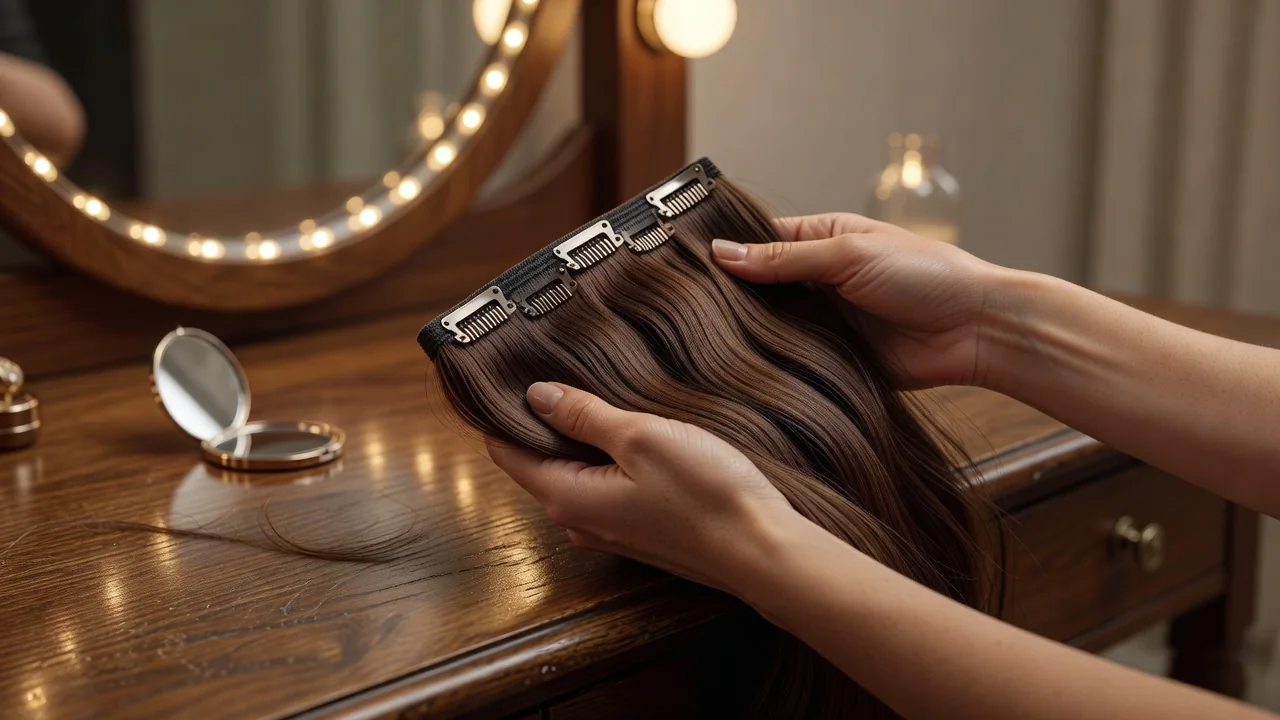
Why Blonde Hair Extensions Cost More
Only about 2% of the world's population is naturally blonde, yet blonde shades account for a huge share of hair extension orders. That mismatch between supply and demand is the short answer to a question every extension buyer eventually asks: why does a pack of platinum or light blonde wefts cost noticeably more than the same weight in dark brown? The long answer runs through Asian hair markets, peroxide chemistry and a production line that can take weeks longer than for natural dark shades.
Walk into any salon from Milan to Miami and ask for 55 cm of virgin European blonde hair. You will either hear a price that rivals a decent laptop or a polite explanation that such hair, on a commercial scale, simply does not exist. Here is what actually stands behind the blonde price tag in 2026.
Where extension hair really comes from
Practically all light brown and blonde extensions on the market start life as black or dark brown hair collected in Asia — India, China, Kazakhstan, Mongolia, Uzbekistan. In India, a significant share comes from temple donations, where pilgrims cut their hair for religious reasons; that hair is auctioned, sorted and shipped to processing factories. Dark hair is abundant, relatively cheap and structurally strong.
Natural blonde European hair, by contrast, reaches the market in tiny quantities. There is no warehouse of Scandinavian ponytails waiting to be sewn into wefts. When a brand does offer genuine virgin blonde Slavic hair, a full head of extensions can cost several thousand euros — the territory of celebrities and photo shoots, not everyday salon work.
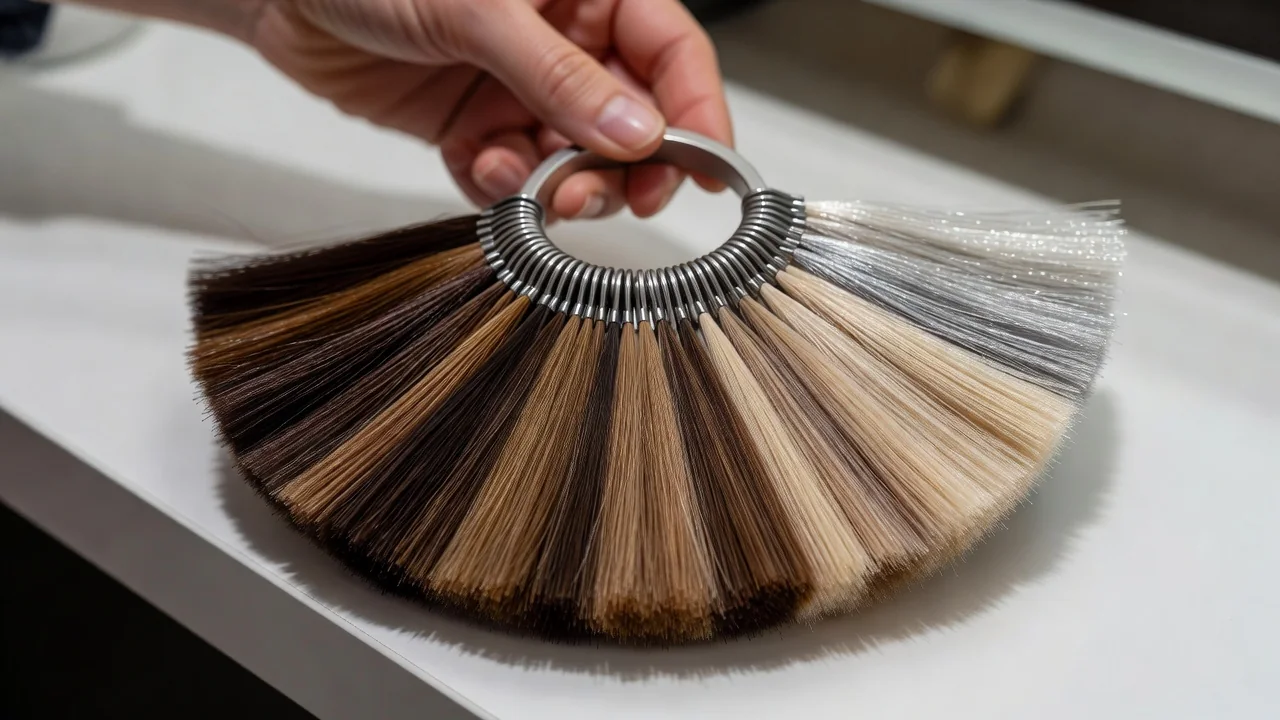
Decolorization: the step that changes everything
To turn dark hair blonde, factories remove its pigment. Decolorization is an irreversible depigmentation process: an oxidizing agent, most often hydrogen peroxide, penetrates the hair shaft and gradually destroys melanin. Once the melanin is gone, the hair turns yellowish — roughly the same thing that happens to hair with age, only induced in a controlled vat rather than over decades.
Only after bleaching can the hair be dyed to the target shade: ash blonde, honey, platinum, silver. Each extra chemical bath costs time, skilled labour and quality-control rejects. A batch that goes brittle or uneven is thrown away, and that waste is priced into every surviving bundle.
- Sorting and hackling raw dark hair: 1–2 days per batch;
- Slow decolorization in diluted peroxide baths: up to 2–3 weeks for gentle processing;
- Dyeing to the final blonde shade plus toning: several more days;
- Rejects and breakage losses: factories report 15–30% of raw weight lost on light shades.
Why lighter shades age faster
Melanin is not just colour — it contributes to the mechanical strength of the fibre. Hair stripped of pigment is more porous, absorbs water faster and loses it just as quickly. That is why a platinum weft, even a premium Remy one with intact cuticles, will rarely outlive its dark twin under the same care routine. Salons typically quote 12–18 months of reuse for dark tape-ins and 8–12 months for very light ones.
| Shade group | Extra processing | Typical price premium | Expected reuse span |
|---|---|---|---|
| Natural dark (1B–4) | none | baseline | 12–18 months |
| Light brown (6–8) | mild lift + dye | +10–20% | 10–14 months |
| Blonde (9–10) | full decolorization + dye | +25–40% | 8–12 months |
| Platinum / silver | double lift + toner | +40–60% | 6–10 months |
What this means for a buyer in 2026
First, be suspicious of cheap platinum. If a 100-gram pack of "Remy blonde 60" costs the same as natural black, the hair was either bleached aggressively in a day-long acid bath (it will mat within weeks) or the cuticles were stripped and masked with silicone that washes off after a few shampoos. Honest blonde costs more because honest blonde takes weeks to produce.
Second, consider alternatives: balayage-style wefts with dark roots, or dyeing lighter brown extensions toward your target shade at the salon rather than buying factory platinum. You keep more of the cuticle intact, and the total bill often lands lower than the "cheap blonde" that needs replacing in two months.