Keratin Bonds vs Tape-Ins: An Honest Comparison
Keratin bonds and tape-ins are the two semi-permanent methods that divide the extension market between them. Both use real Remy hair, both last months rather than hours, and both can look flawless in skilled hands. Yet they differ in nearly everything else: application time, maintenance rhythm, how they treat fine hair, and what the whole affair costs over a year. Picking the wrong one for your hair type is the most expensive mistake in this industry.
How each method actually works
Keratin extensions are individual strands tipped with a keratin-based bond. The stylist takes a small section of natural hair, wraps the bond around it and fuses it with a heated connector at around 180–200°C. A full head means 100–150 individual bonds and three to four hours in the chair.
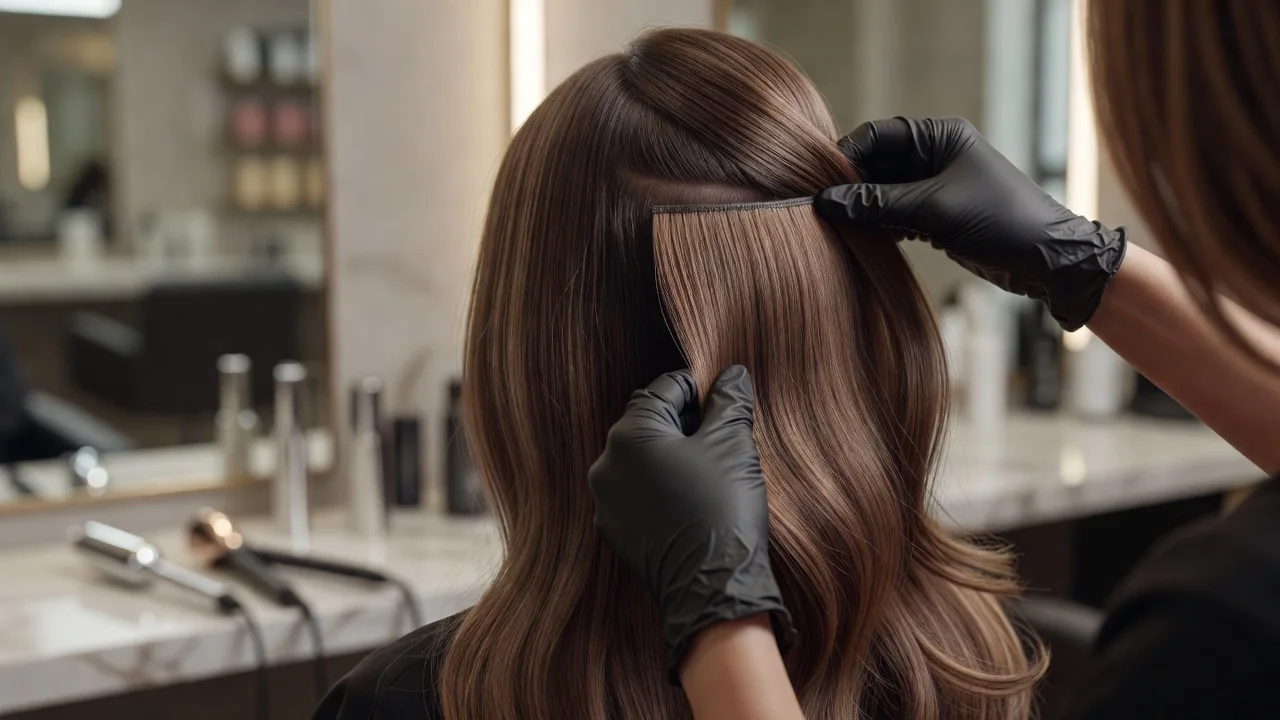
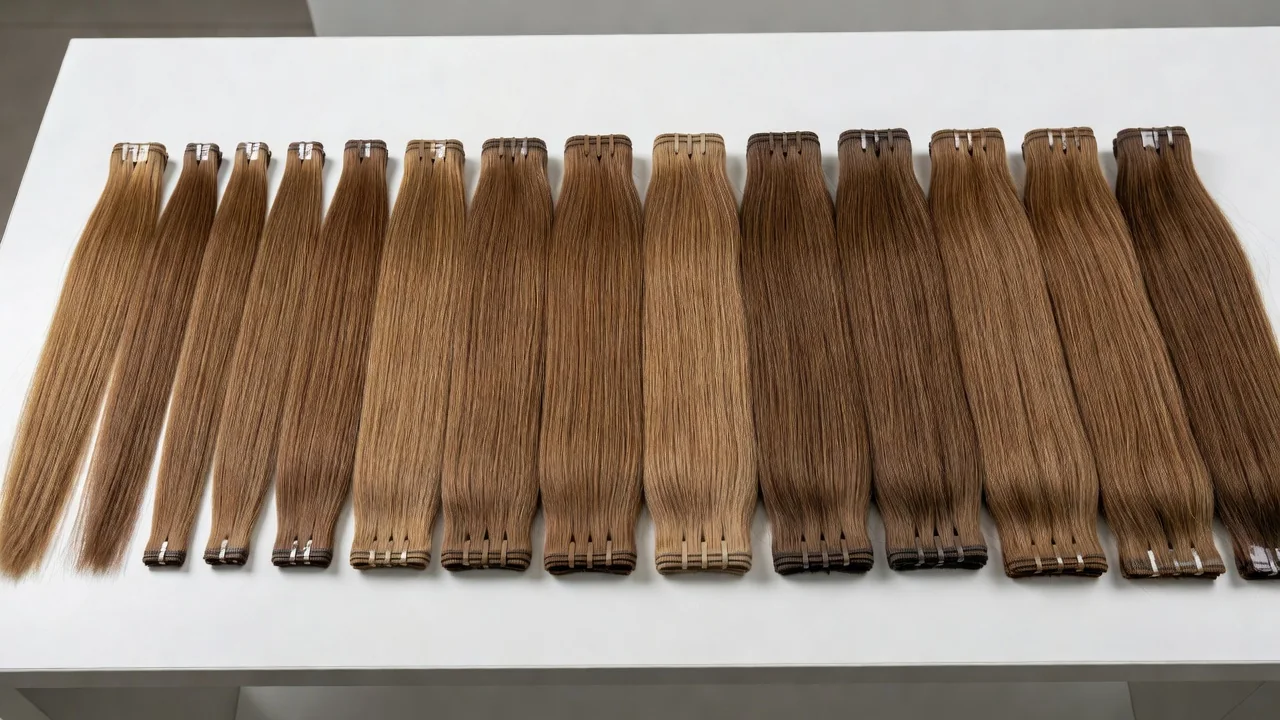
Tape-ins are 4 cm wide wefts pressed in pairs around a thin slice of natural hair — the sandwich method. No heat, no machinery, no chemistry beyond the adhesive strip. A full head takes 45–60 minutes. That speed difference alone explains why so many salons have shifted their booking calendars toward tape since the mid-2010s.

Wear time and maintenance rhythm
Keratin bonds stay put for 3–5 months without a salon visit, which suits clients who travel or simply refuse monthly appointments. The catch: the bonds grow out with the hair, cannot be moved back up, and the hair itself is rarely reusable — after removal, most bond hair is written off.
Tape-ins demand discipline: every 6–8 weeks the wefts come out, get retaped and go back in higher. In exchange, the same hair serves 12–18 months. Over a year the maths usually favours tape, even counting the extra visits:
| Factor | Keratin bonds | Tape-in wefts |
|---|---|---|
| First installation | 3–4 hours | 45–60 min |
| Maintenance visits | none for 3–5 months | every 6–8 weeks |
| Hair reuse | rarely | 12–18 months |
| Heat in application | yes, ~190°C | none |
| Best for | medium/thick hair, low-maintenance clients | fine hair, budget over time |
What suits fine and thin hair
Here tape wins clearly. A keratin bond concentrates the weight of its strand on a pinpoint of natural hair; on fragile roots that point load causes breakage. A tape weft spreads the load across 4 cm of sectioned hair — the stress per root is far lower. Stylists working with postpartum thinning or naturally fine Nordic hair types default to tape almost without discussion.
Keratin keeps one advantage even here: placement freedom. Individual strands can fill a fringe line, add asymmetric accents or build volume exactly where a haircut needs it. Tape wefts come in fixed widths and prefer horizontal rows.
Comfort and lifestyle
- Sleeping: keratin bonds are felt for the first week as small beads at the roots; tape lies flat immediately;
- Sport: both survive the gym, but swimmers should prefer keratin — frequent soaking in chlorinated water shortens tape adhesive life;
- Styling heat: keep irons and dryers off keratin bonds and off the tape line; both methods tolerate styling below the attachment point;
- Updos: tape wefts need 2–3 cm of margin from the hairline to stay hidden in a high ponytail; keratin strands hide more easily at the edges.
The verdict for 2026
Choose tape-ins if your hair is fine, your budget thinks in years, and a standing salon appointment every two months sounds fine. Choose keratin if your hair is medium to thick, you want three months of zero maintenance, or you need surgical precision in placement. And if a salon pushes one method for every client who walks in, that says more about their training than about your hair.